
Potholes, prevention,
and what bitumen emulsion has to do with both
The Road Emulsion Association is the UK trade body for the producers and users of bitumen road emulsion. It is the material behind surface dressing, slurry and micro surfacing, bond coats, pothole patching and footway treatments on local roads across the country.
Most questions put to us come down to one: is it cheaper to seal a road while it is still sound than to rebuild it once it has failed. We hold the national data on how the UK treats its roads, we publish the technical standards the industry works to, and our campaign, Futureproofing Our Local Roads, gathers the places where preventative maintenance is already stopping potholes before they form.
Everything on this page is drawn from that published guidance. Start wherever suits you.

Where would you like to start?
Why treat a road before it fails
What preventative maintenance costs against rebuilding, how long a surface dressing lasts, and how to tell which treatment a road actually needs.
What the standards ask for
Binders, rates of spread and the conditions work should stop in, taken from the REA technical datasheets. All twelve are set out further down this page.
What bitumen emulsion actually is
Bitumen carried in water so it can be laid cool rather than hot. What the grades mean, how it is stored and handled, and why it is used the way it is.
The evidence, and the campaign
Case studies from authorities already doing this well, the annual survey data, and our representations to Government on funding preventative maintenance.
Producing or supplying bitumen emulsion, and thinking about joining us? Membership is explained here.
The questions below are the ones put to us most often by councils, contractors and specifiers. Each answer is taken from our published guidance, and names the datasheet it came from.
The case for treating roads before they fail
Most people find us while trying to settle an argument about road maintenance: whether preventative treatment is worth it, how long it lasts, and what it costs compared with waiting for the potholes. These three answer that.
How long does surface dressing last?
What a well designed dressing delivers, and what shortens it.
Surface dressing or resurfacing: how to choose
Two different jobs. Which one a road actually needs, and when.
Does preventative road maintenance save money?
What the evidence shows about treating early against repairing late.
What bitumen road emulsion is, and how to handle it
Bitumen emulsion is what makes most of this possible: it lets bitumen go down on a road cool rather than hot. These pages cover what it is, how it is specified in the UK, and the rules for storing it safely.
What is bitumen road emulsion?
Cationic and anionic explained, with BS 434-1 and BS EN 13808 designations decoded.
How should bitumen emulsion be stored and handled?
Never above 90°C, never frozen. Bulk storage, drums, transport and disposal.
Specifying the treatment
Where the standards meet the road. Each of these is drawn from the REA technical datasheet on the subject, revised by our Technical Committee in August 2025.
Surface dressing with bitumen emulsion
The systems available, binder selection, aggregate quality and encapsulation.
Bond coat or tack coat: what does BS 594987 require?
Why tack coats are no longer regarded as best practice for thin surfacings.
Footway maintenance and construction
Treating and building footways, including the binders recommended for them.
How are pavement layers sealed and cured?
Bases, sub bases and cement bound materials hold their strength only if the moisture stays in balance. The rates of spread, layer by layer.
How should spraying machines be cleaned?
Flush the bar daily, never spray solvent through the jets, and keep anionic and cationic emulsions apart. The maintenance routine in full.
How should a pothole be patched?
Cut to vertical sides, bond coat, compact in layers. Plus grouting rates and spray injection patching to BS 10947.
What is slurry and micro surfacing?
Cold applied layers from 1.5mm to 9mm, where each one belongs, and the weather limits that govern laying.
Can a worn road be recycled in place?
Retread and Regen recoat the existing aggregate rather than replacing it, with no heat and no raised kerb levels.
What is storage grade macadam?
The stockpiled material used for trench reinstatement and emergency patching, and why emulsion makes it safer and cleaner.
Where else is bitumen emulsion used?
Encapsulation, joint painting, crack sealing, slip coats, coloured seals, sand stabilisation and grass growth.
From the campaign: roads that have lasted
Our campaign, Futureproofing Our Local Roads, celebrates the authorities already treating their roads before they fail. These are six of theirs, photographed years after the work was done.
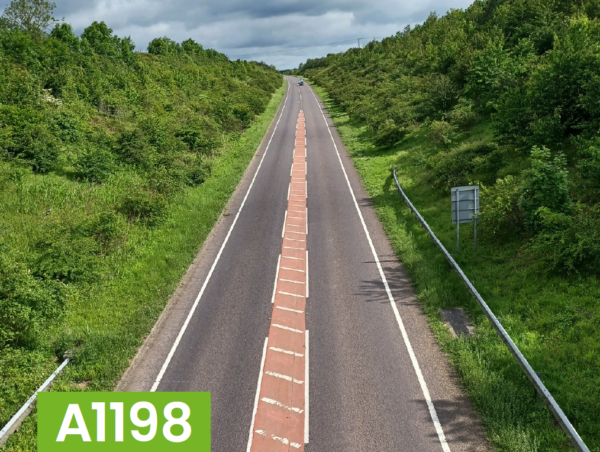
Caxton Bypass, Cambridgeshire
Image taken June 2024. This stretch of road was surface dressed in June 2018 and six years later is still defect free.
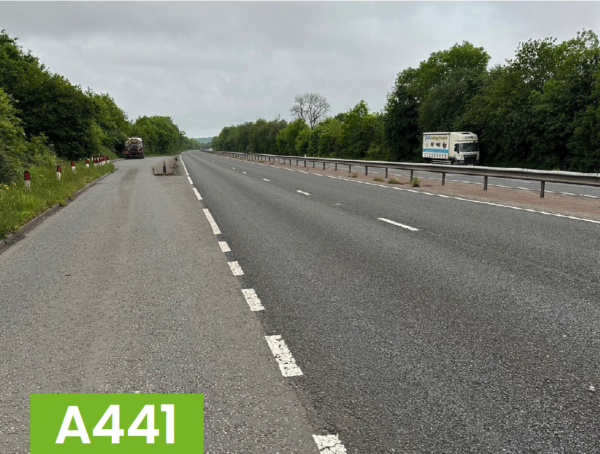
Alvechurch Bypass, Worcestershire
Image taken June 2024. This stretch of road was surface dressed in May 2017 and is still defect free.
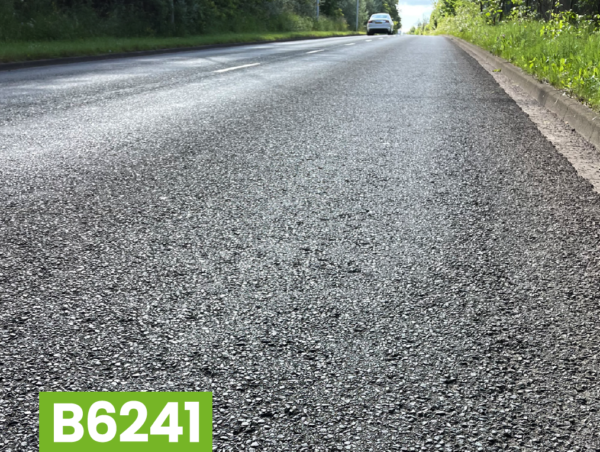
Tom Benson Way, Preston
This stretch of road was surface dressed in early July 2009 and is still defect free.

Kimcote Road, Gilmorton, Leicestershire
Surface dressed in 2023. Image taken in 2024.

A458 Cross Houses, Shropshire
Image taken in 2024. Surface dressed in 2011 and still defect free.

A5 West Felton to Oswestry, Shropshire
Surface dressed in 2010. Image taken in 2024. A very busy trunk road showing signs of wear after 14 years in service, but no potholes.
See the whole campaign
The open letter to the Chancellor, the ALARM survey and the rest of the evidence, the councillor guide, the video, and every case study as it is added.
Going deeper
The pages above are summaries of the REA’s technical datasheets, written to be readable. The datasheets themselves carry the full detail, the references and the specification tables.
All twelve technical datasheets · Publications · Membership · Contact the REA