
Surface dressing works best when applied during the summer. As a planned preventative maintenance technique, this keeps networks in good condition for up to 10-15 years.
In the first few days, if newly dressed roads are impacted by higher-than-normal summer temperatures, this may result in the bitumen binder potentially softening, which can mean that the process takes a little longer to stabilise, and may require some additional temporary management (traffic speeds, surface protection).
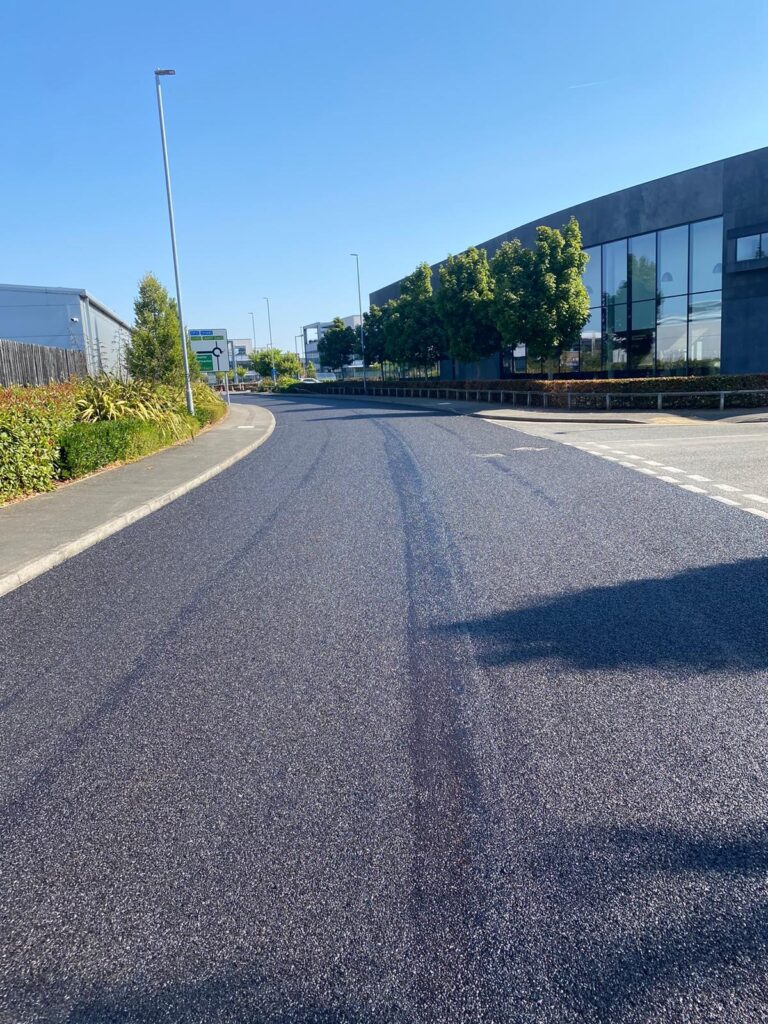
Bitumen naturally softens as surface temperatures rise, and warm conditions also help the chippings bed in and form the durable, skid resistant surface road users need. Summer is chosen deliberately because warm, dry conditions support adhesion, sealing and long‑term performance.
During exceptionally hot weather, road surface temperatures can climb far higher than the air temperature, sometimes reaching 50°C or more. At these levels, the binder in a surface dressing can soften more rapidly because it sits at the surface on top of the road and is directly exposed to the elements. When this happens, chippings may move under traffic and the surface can appear more shiny or “mobile”, with the potential risk of aggregate pick‑up on tyres.
These effects are temporary and well understood. That’s why you might see gritters out in summer. Teams apply a light dusting of fine aggregate or sand to stabilise the surface and reduce the amount of free binder that may be apparent on the surface. As temperatures fall back into the normal range, the dressing naturally re‑hardens.
Product Resistance & Design
Products with higher temperature resistance (Polymer Modified Emulsions – PMEs) can be applied to provide greater resilience against extreme heat and the PMEs can be further designed to increase the temperature at which they become soft. As our climate becomes more volatile, adapting delivery to changing temperatures is an important part of keeping roads resilient for years to come.
Products designed for the UK climate must cope with many differing conditions including higher summer temperatures, increasing rainfall and cold winters. Climates in other countries where heat is the predominant factor do not generally experience the colder and wetter periods as experienced in the UK. It is important therefore that surface dressing binders used in the UK can also perform in these colder and wetter conditions and that the binder is not too hard and brittle.
Kevin Maw, REA Consultant and Secretary, added:
“It’s important road users understand that hot weather does not ruin the valuable work being done by local authorities to repair our roads.
“While the warmer weather can cause challenges, we know our highways teams are experienced in managing the various factors effecting the early performance of surface dressing, ensuring it remains integral, and provides a durable long lasting and safe surface.
“As the climate continues to warm and we see more exceptionally hot days, we will probably see situations where additional management controls are necessary to temporarily protect the surface dressing during its early period of settling and stabilisation. These steps will ensure we continue to effectively treat our roads for the future and prevent potholes.”